
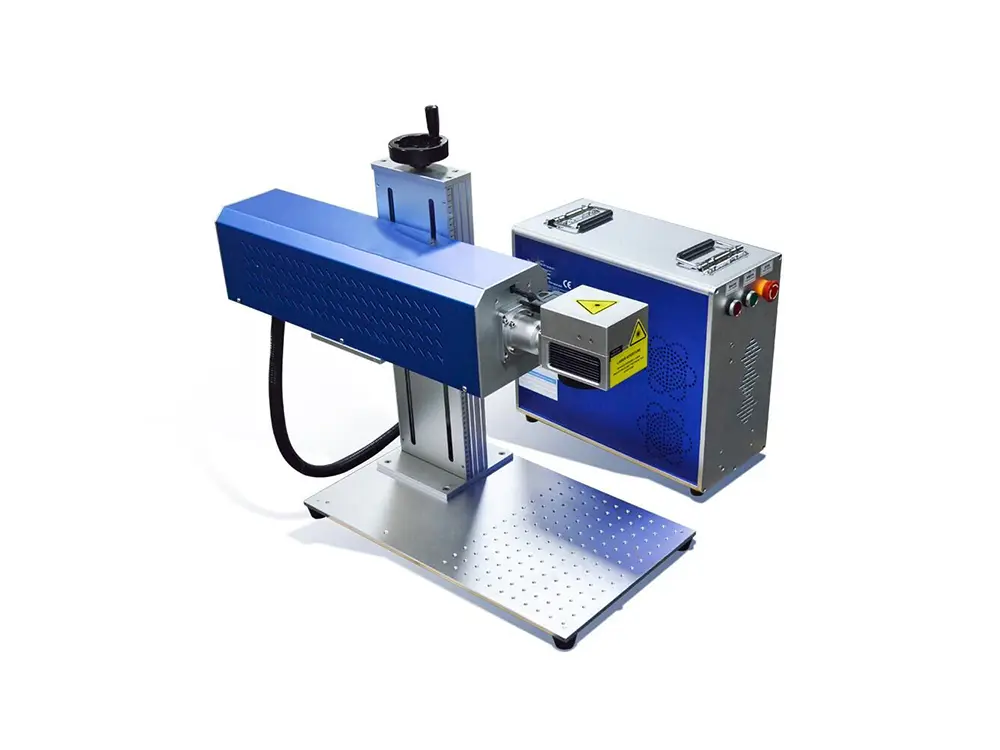











Laser cutting has become a cornerstone of modern manufacturing due to its high precision, efficiency, and versatility. Industries ranging from automotive to electronics rely on laser cutting to achieve accurate and consistent results. While laser cutting works well on many types of metals, high reflection materials such as copper, aluminum, and silver present unique challenges. Their high reflectivity reduces the amount of laser energy absorbed, which can lower cutting efficiency and even damage the laser equipment. Understanding how to effectively cut high reflection materials is essential for engineers, manufacturers, and operators aiming to achieve clean cuts, high productivity, and equipment longevity.
This article provides a comprehensive guide to laser cutting high reflection materials. Additionally, we discuss case studies and best practices that demonstrate how to achieve high-quality results in industrial applications.
Understanding High Reflection Materials
High reflection materials are metals that reflect a large portion of incident laser light. Common examples include copper, aluminum, silver, gold, and certain metallic coatings. These metals have high reflectivity in the visible and near-infrared spectrum, which is where most industrial lasers operate.
The physical properties of high reflection materials significantly affect laser cutting performance. For example, copper has a reflectivity of around 95 percent in the infrared range, meaning only a small fraction of the laser energy is absorbed. Aluminum also has a high reflectivity and a high thermal conductivity, which can quickly dissipate heat from the cutting zone. These characteristics make it difficult to maintain a stable cutting process without specialized techniques.
High reflection materials also have relatively low melting points compared to their high thermal conductivity, which can result in rapid surface melting and uneven edges. Understanding these properties is the first step toward effective laser cutting.
Challenges in Laser Cutting High Reflection Materials
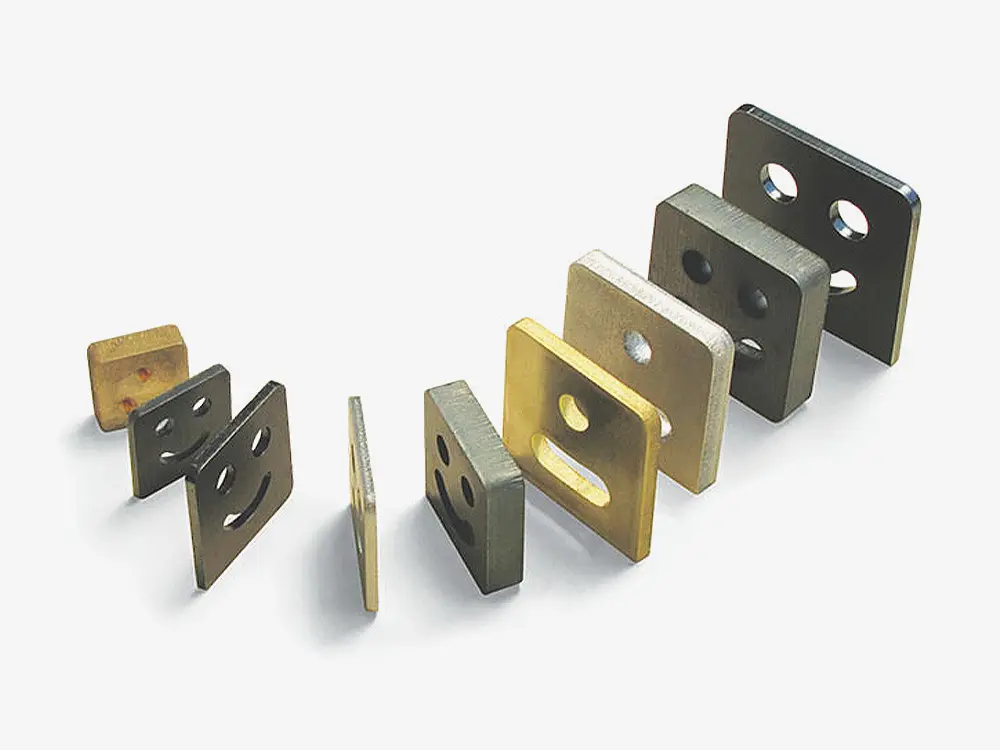
Laser cutting high reflection materials presents several challenges that do not typically occur with lower reflection metals such as steel or stainless steel.
Back Reflection and Equipment Risk: When laser light reflects off a highly reflective surface, it can travel back into the laser head and potentially damage the laser source or optical components. This is particularly a concern with CO2 lasers, which are more sensitive to back reflection compared to fiber lasers.
Cutting Instability: High reflectivity can lead to inconsistent absorption of laser energy, resulting in poor cutting stability. Operators may notice burn marks, incomplete penetration, or irregular edges.
Heat Affected Zone Control: High thermal conductivity materials dissipate heat rapidly, which makes it difficult to maintain a precise melting front. This can cause a wider heat-affected zone and reduced cutting precision.
Thickness Dependence: Thin sheets of copper or aluminum can be cut effectively with lower power, but thicker sheets require significantly more energy and careful optimization to avoid defects.
Inefficiency with CO2 Lasers: CO2 lasers have a longer wavelength that is poorly absorbed by reflective metals. This makes them less suitable for cutting high reflection materials, leading to higher power consumption and reduced efficiency.
Selecting the Right Laser System
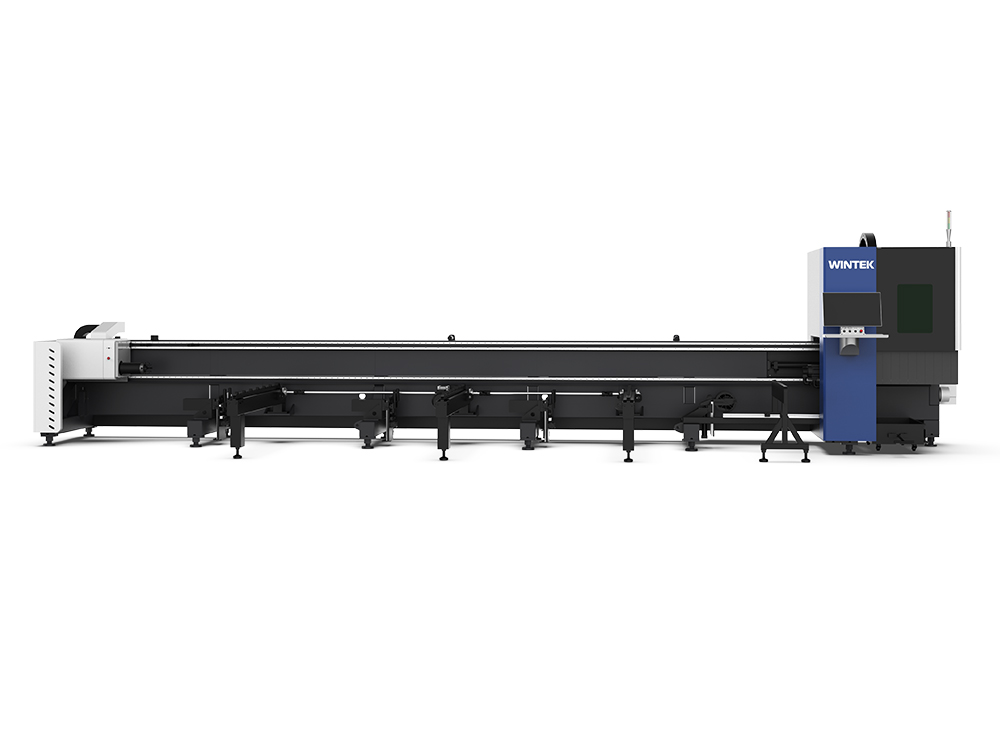
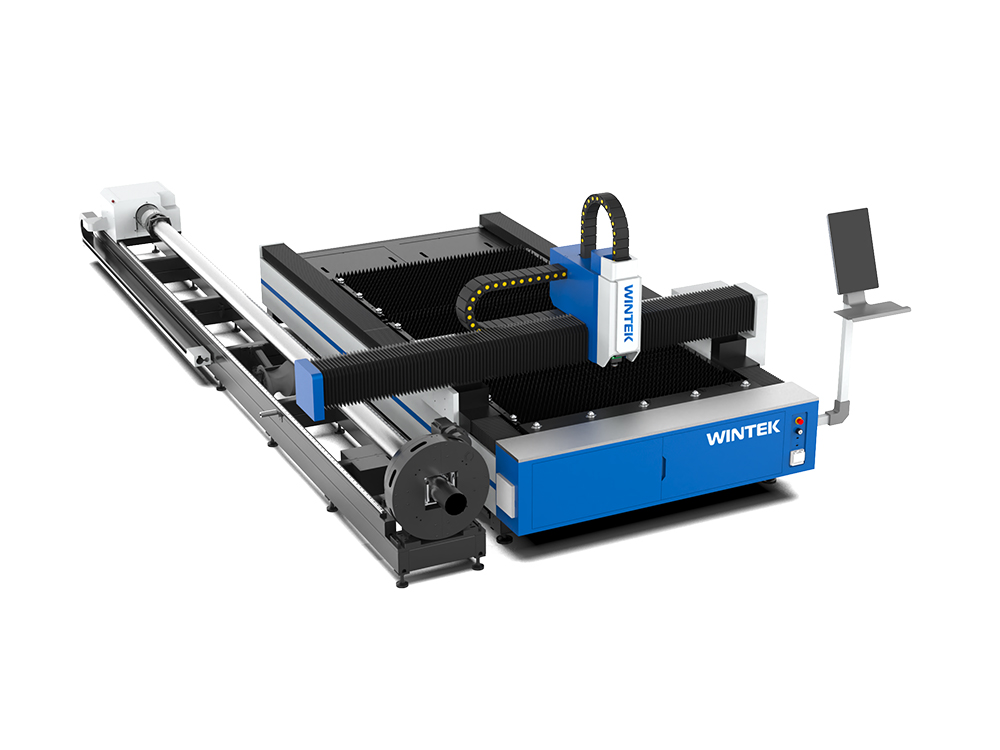
Choosing the appropriate laser system is crucial when cutting high reflection materials. Fiber lasers are generally preferred due to their shorter wavelength, high beam quality, and higher absorption efficiency on reflective metals.
1. Fiber Laser Advantages
Fiber lasers operate in the near infrared spectrum, which is absorbed more effectively by copper and aluminum. They also provide high peak power and excellent beam stability, making them suitable for both thin and thick sheet cutting.
2. CO2 Laser Limitations
CO2 lasers have a longer wavelength that reflects off metals more easily. While CO2 lasers can cut reflective materials with the right auxiliary techniques, they are less efficient and can increase the risk of back reflection.
3. Laser Power and Wavelength Considerations
Selecting the right power level and wavelength ensures that sufficient energy is absorbed to achieve clean cuts. Operators should match the laser power with material thickness to balance speed and quality.
Optimizing Cutting Parameters

Properly adjusting cutting parameters is key to achieving high-quality results with high reflection materials.
Focus Position: Accurate focus positioning ensures the laser beam is concentrated at the cutting zone. Slight adjustments can dramatically affect cut quality and penetration.
Cutting Speed: Cutting speed must be balanced with laser power. Too fast may result in incomplete cutting, while too slow can overheat the material and increase the heat-affected zone.
Auxiliary Gas Use: Nitrogen or oxygen can be used to assist cutting. Nitrogen prevents oxidation and achieves a cleaner edge, while oxygen can increase cutting speed for thicker sheets.
Multi-Pass Cutting: For thicker sheets, performing multiple passes with lower power can reduce defects and ensure clean edges.
Edge Quality Improvement: Adjusting cutting parameters based on trial runs helps optimize edge quality. Fine-tuning speed, focus, and gas pressure ensures smooth cuts with minimal burrs.
Parameter Documentation: Keeping a detailed record of cutting parameters for different materials and thicknesses allows operators to replicate successful results and improve efficiency over time.
Safety and Equipment Protection
Laser cutting high reflection materials requires strict safety and equipment protection measures.
Laser Head Protection: Using protective coatings or windows on the laser head can prevent damage from back reflection.
Cooling System Maintenance: High reflection metals can generate localized heat. A properly functioning cooling system is essential to maintain laser performance.
Optical Component Care: Regularly clean and inspect mirrors and lenses to prevent contamination and damage.
Personal Protective Equipment: Operators should wear proper eye protection, gloves, and protective clothing to prevent injury from reflected laser light.
Routine Maintenance: Regular maintenance of the laser system ensures consistent performance and prolongs equipment life.
Wintek Practical Case Studies
1. Copper Sheet Cutting
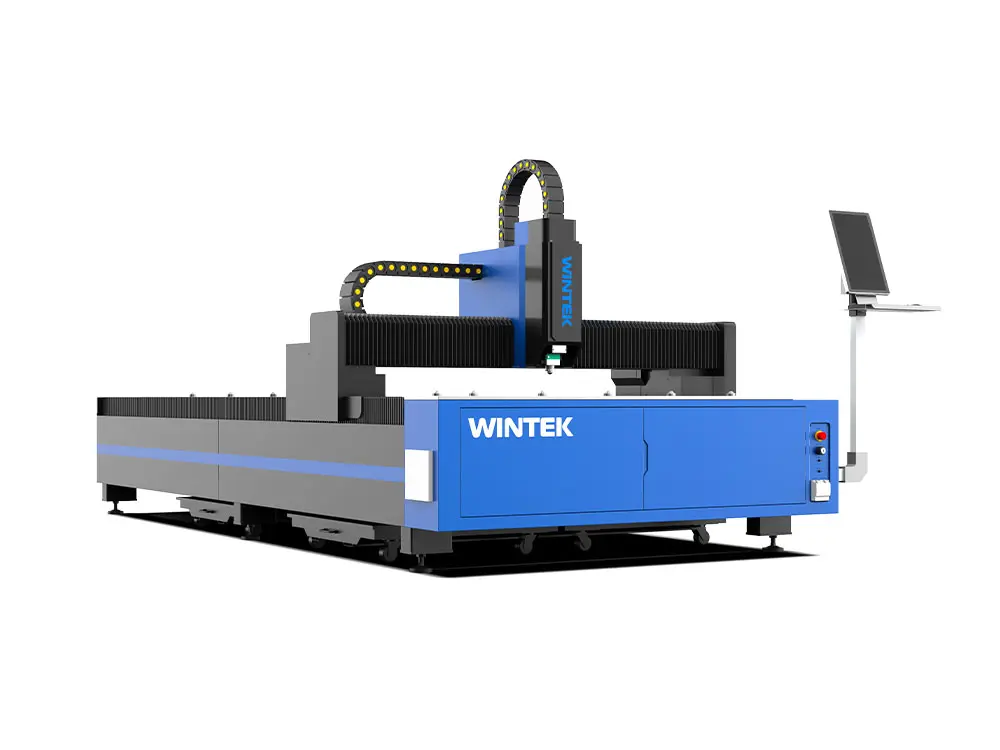
We cut the 2mm thick copper sheet using 1500W fiber laser. Nitrogen acted as an auxiliary gas to prevent oxidation. The focus was set slightly above the surface, and the cutting speed was optimized through trial and error. The result was a clean edge with minimal burrs and no damage to the laser head.
2. Aluminum Plate Cutting
The 3mm thick aluminum plate required slightly higher laser power. Pulsed fiber laser mode was used to increase energy absorption, and cutting speed was carefully controlled. Multi-pass cutting was employed for thicker sections. The outcome was precise cuts with smooth edges, demonstrating the importance of parameter optimization.
3. System Comparison
Comparing fiber laser and CO2 laser cutting on a reflective aluminum sheet showed that the fiber laser achieved faster cutting with better edge quality. CO2 laser required significantly more power and multiple passes, increasing the risk of defects, heat distortion, and equipment wear over time.
Conclusion
The challenges of cutting high reflection metals once limited many industries, but fiber laser technology has changed that reality. Its high absorption rate, stable performance, and refined beam control make it ideal for precise processing of reflective materials. As laser systems evolve toward greater power and intelligence, the potential for metal manufacturing will continue to grow, leading to higher productivity and cleaner results in every application.