










Graffiti can be both an artistic expression and a challenge for property maintenance. While some murals add character to public spaces, unauthorized graffiti on walls, monuments, or industrial surfaces can reduce property value and require costly removal. Traditional cleaning methods such as sandblasting, chemical solvents, and high-pressure washing often cause abrasion, surface damage, or environmental pollution.
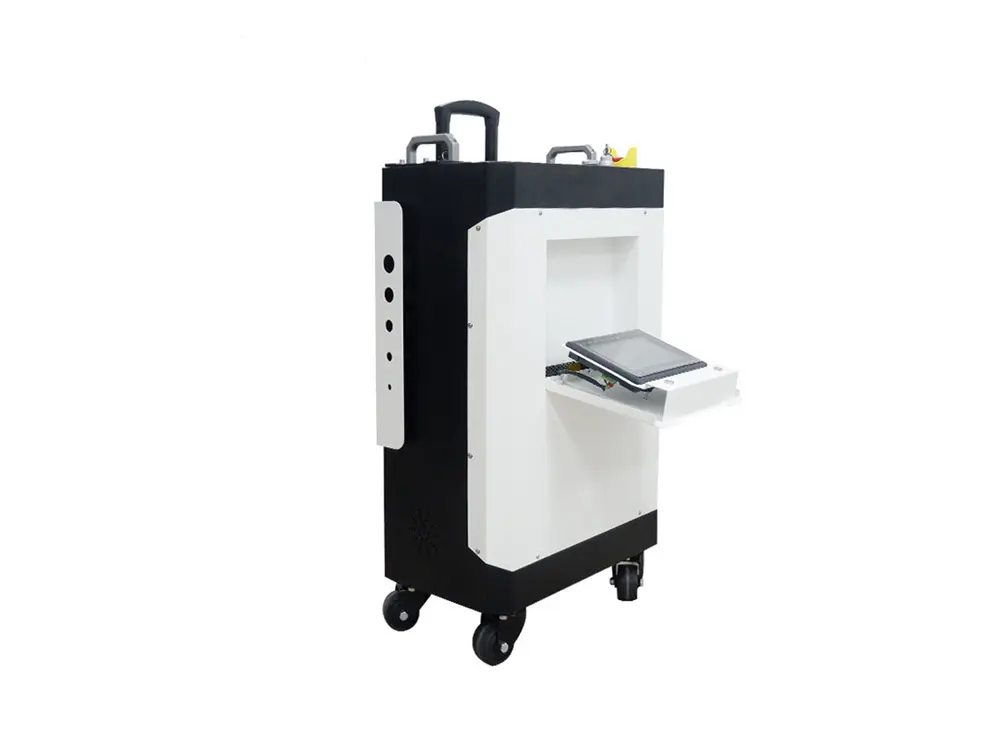
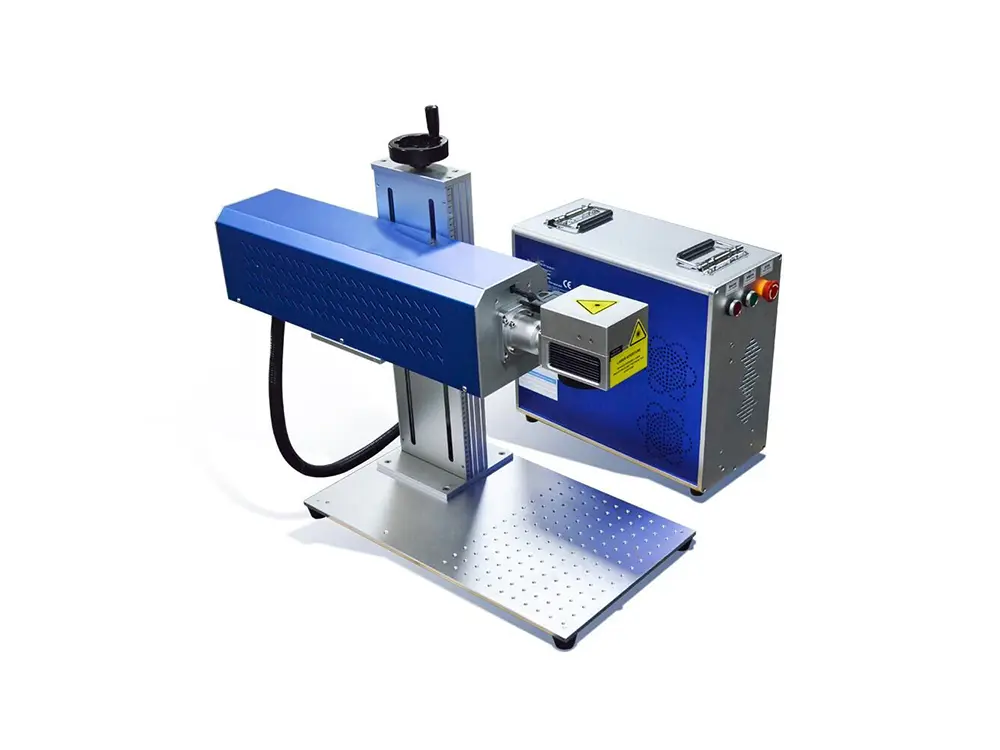
In recent years, laser cleaning technology has emerged as an advanced, eco-friendly, and highly precise method for effectively removing graffiti from a wide variety of surfaces. This innovative technology has dramatically transformed the way cities, industries, and conservation professionals approach surface cleaning and restoration. In this article, we will explore how laser cleaning technology works, why it is revolutionizing graffiti removal, and how Wintek Laser provides efficient and environmentally responsible laser cleaning machines to meet the diverse needs of modern maintenance and restoration projects.
Understanding Laser Cleaning Technology
Laser cleaning technology uses high-energy laser pulses to remove contaminants, coatings, and unwanted materials from a surface. When the laser beam hits the graffiti paint, it absorbs the laser energy, heats rapidly, and evaporates in a controlled process known as ablation.
Unlike abrasive or chemical cleaning, the laser interacts only with the top layer of paint or coating. The substrate beneath, whether stone, metal, brick, or concrete, remains undamaged. The laser cleaning machine allows operators to adjust power, frequency, and pulse width according to the surface type and paint thickness, ensuring precise and consistent results. This non-contact method also minimizes dust and waste, making it safe, clean, and efficient for use in both indoor and outdoor applications.
How Laser Cleaning Works in Graffiti Removal
Laser graffiti removal relies on a process of selective energy absorption. Different materials absorb light differently based on their color, texture, and composition. The paint pigments used in graffiti typically absorb laser energy much more readily than the underlying wall or structure.
When the laser beam is directed at the surface:
- The paint layer absorbs the energy.
- The temperature at the paint layer rises instantly.
- The paint decomposes or vaporizes into micro-particles.
- A vacuum system removes the residue, leaving a clean, intact surface.
Operators can fine-tune the cleaning intensity to achieve total paint removal without discoloration or micro-cracks on the substrate. Whether it is brick, marble, stainless steel, or painted metal, laser cleaning provides a safe and repeatable solution.
The Key Advantages of Laser Graffiti Removal

a. No Damage to the Base Surface
One of the most significant advantages of laser cleaning technology is its precision. The laser beam targets only the paint molecules without affecting the surface underneath. Traditional sandblasting or chemical removal often strips away part of the base material, causing permanent damage.
b. Environmentally Friendly Solution
Laser cleaning eliminates the need for toxic chemicals and large amounts of water. Since it produces minimal waste and no harmful emissions, it is an environmentally responsible choice that aligns with modern sustainability goals. Cities and organizations focused on green initiatives find laser cleaning an ideal solution for graffiti control.
c. Minimal Maintenance and Low Operating Costs
Laser cleaning machines require little maintenance compared to mechanical or chemical systems. There are no consumables such as abrasives or detergents, and the laser source has a long operational life. Over time, this reduces both operating costs and downtime.
d. Quiet and Clean Operation
Unlike noisy sandblasting or water jet systems, laser cleaning is remarkably quiet. It generates minimal dust, allowing cleaning work in public areas without disturbing nearby residents or damaging sensitive historical materials.
e. High Efficiency and Precision
Laser cleaning machines offer high-speed paint removal while maintaining excellent accuracy. Operators can clean detailed patterns, small corners, and complex surfaces without leaving residues. This makes the technology suitable for both modern infrastructure and historical site restoration.
Comparing Laser Cleaning with Traditional Methods
When it comes to graffiti removal, traditional methods such as sandblasting, chemical cleaning, and pressure washing each have limitations. Sandblasting is highly abrasive, which can cause significant surface damage and generate large amounts of dust, making it unsuitable for delicate or valuable surfaces. Chemical cleaning avoids abrasiveness but relies heavily on harsh solvents, creating hazardous waste and posing environmental risks. Pressure washing offers a moderate alternative, but it still consumes large amounts of water and can damage certain surfaces.
In contrast, laser cleaning provides a safe, eco-friendly, and highly precise solution. It does not use chemicals, and the process is non-abrasive, preserving the integrity of the underlying surface. Laser cleaning produces minimal waste, reduces environmental impact, and delivers consistent, high-quality results, making it the preferred choice for removing graffiti from both modern structures and historical landmarks.
Applications of Laser Cleaning for Graffiti Removal
Laser cleaning technology can be applied to a wide variety of surfaces and environments, including:
Historical monuments and sculptures: Safely removes graffiti from marble, limestone, and bronze without harming patina or structure.
Public buildings and transportation infrastructure: Ideal for cleaning train stations, tunnels, bridges, and walls covered with graffiti.
Industrial facilities and warehouses: Restores metal walls, machinery, and painted structures efficiently.
Commercial spaces and city landmarks: Maintains a clean, professional appearance with minimal disruption to daily operations.
Its versatility makes laser cleaning not only a tool for graffiti removal but also for general maintenance and restoration in urban and industrial settings.
Environmental and Safety Benefits
Laser cleaning technology supports sustainable development by minimizing waste, pollution, and chemical exposure. Since it uses only light energy, there are no chemical residues or contaminated runoff water.
Additionally, laser cleaning is safe for operators when proper protective equipment is used. Modern laser cleaning machines include safety sensors, interlocks, and protective shields to prevent accidental exposure to laser radiation.
Municipal cleaning departments, conservation experts, and facility managers are increasingly adopting laser cleaning as part of their green and safe cleaning strategies.
Choosing the Right Laser Cleaning Machine
When selecting a laser cleaning machine for graffiti removal, it is essential to consider:
Laser Power: Higher power (1000W–2000W) is suitable for thick or multi-layer paint, while lower power models (100W–500W) handle smaller cleaning tasks.
Clean Type: Continuous and pulsed lasers offer different cleaning effects. Pulsed lasers are more precise and gentle for sensitive surfaces.
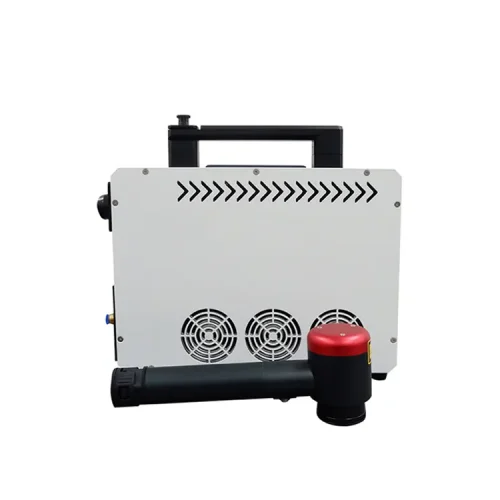
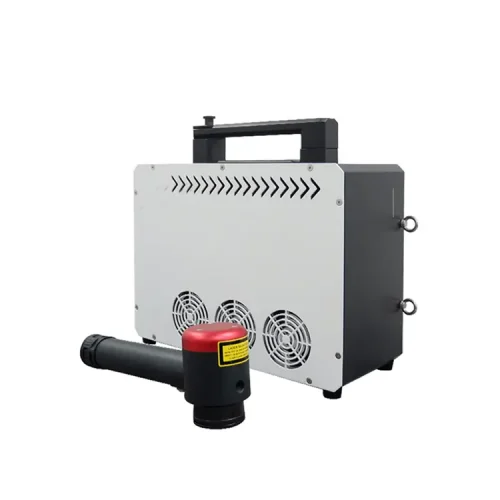
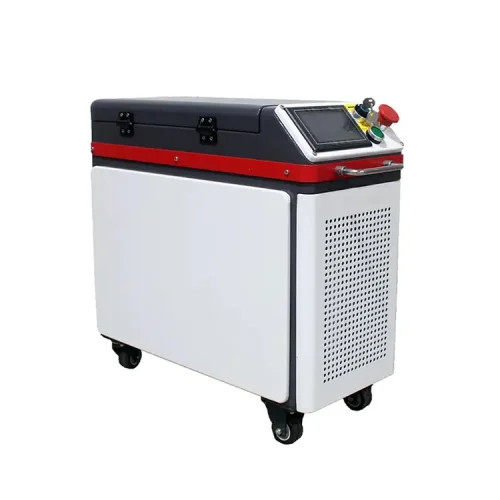
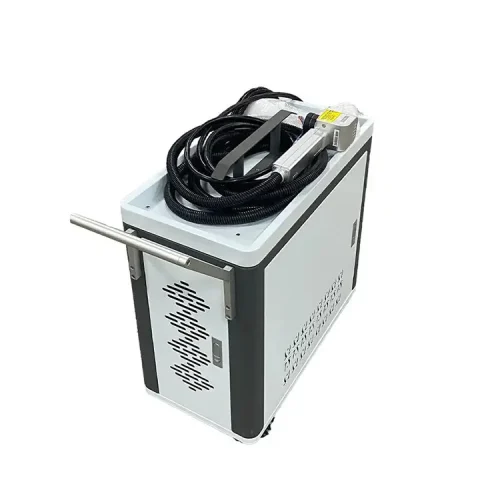
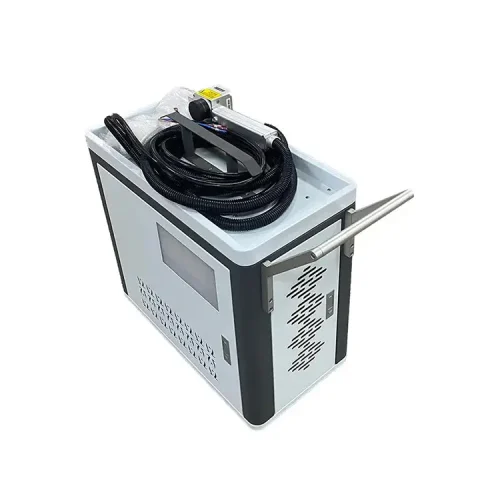
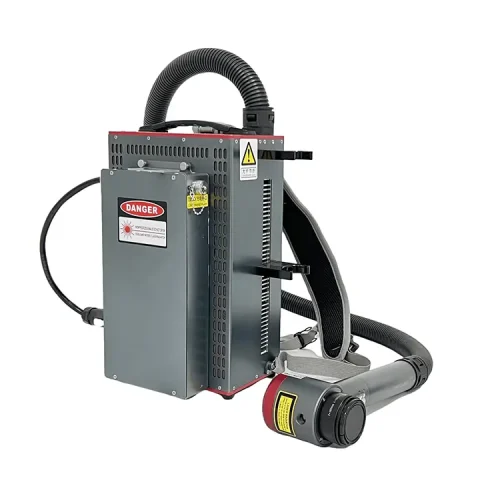
Portability: Handheld laser cleaning machines are ideal for on-site graffiti removal in large or difficult-to-reach areas.
Cooling System: Efficient air or water cooling ensures long-term stability and reliability.
Brand and Service: A reputable manufacturer provides better reliability, software support, and long-term maintenance assistance.
Why Choose Wintek Laser Cleaning Machines
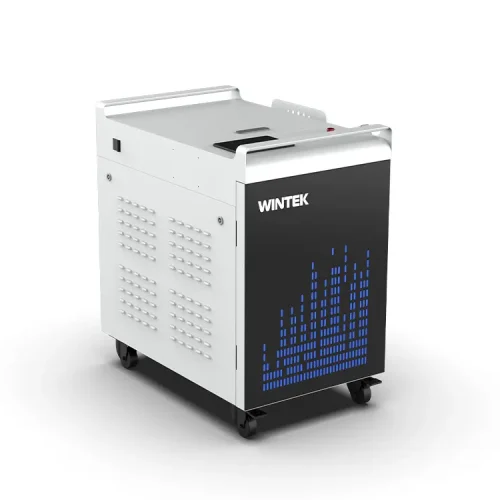
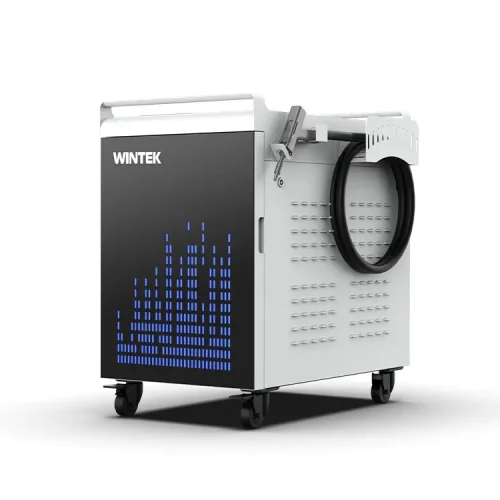
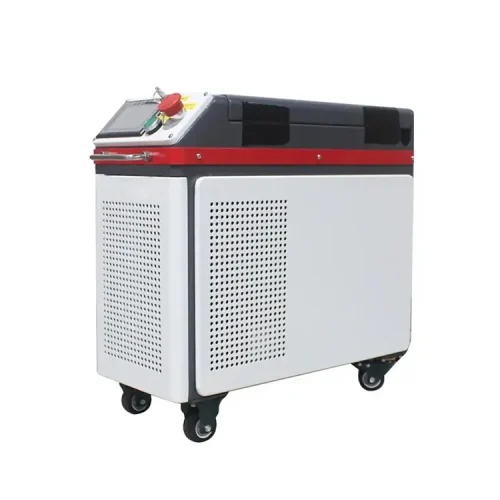
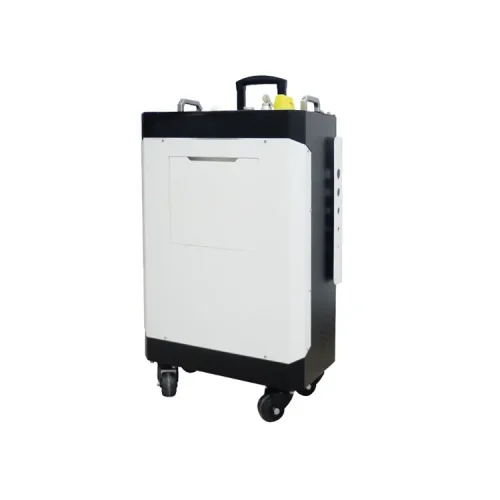
Wintek has been at the forefront of developing innovative laser cleaning technology for industrial and environmental applications. Our machines are designed for durability, precision, and user-friendly operation.
With advanced optical systems and intelligent controls, Wintek’s laser cleaning machines efficiently remove graffiti, rust, paint, and surface contaminants while maintaining excellent surface integrity.
Wintek offers comprehensive services including:
- Installation and setup support.
- Online training and detailed user manuals.
- Professional after-sales assistance.
- Global technical support and spare parts supply.
Our laser cleaning solutions are trusted by customers worldwide for their reliability and long service life.



Conclusion
Laser cleaning technology is transforming graffiti removal by offering a safe, efficient, and eco-friendly alternative to traditional cleaning methods. It delivers exceptional precision, protects surfaces, and reduces long-term costs while supporting environmental responsibility. For property owners, municipalities, and maintenance professionals, investing in a reliable laser cleaning machine is a smart and future-oriented decision.
If you are looking for a professional, efficient, and environmentally friendly solution for graffiti removal, Wintek Laser offers the ideal equipment for your needs. Contact our team today to learn more about our advanced laser cleaning machines and discover how we can help you restore surfaces with precision and care.