
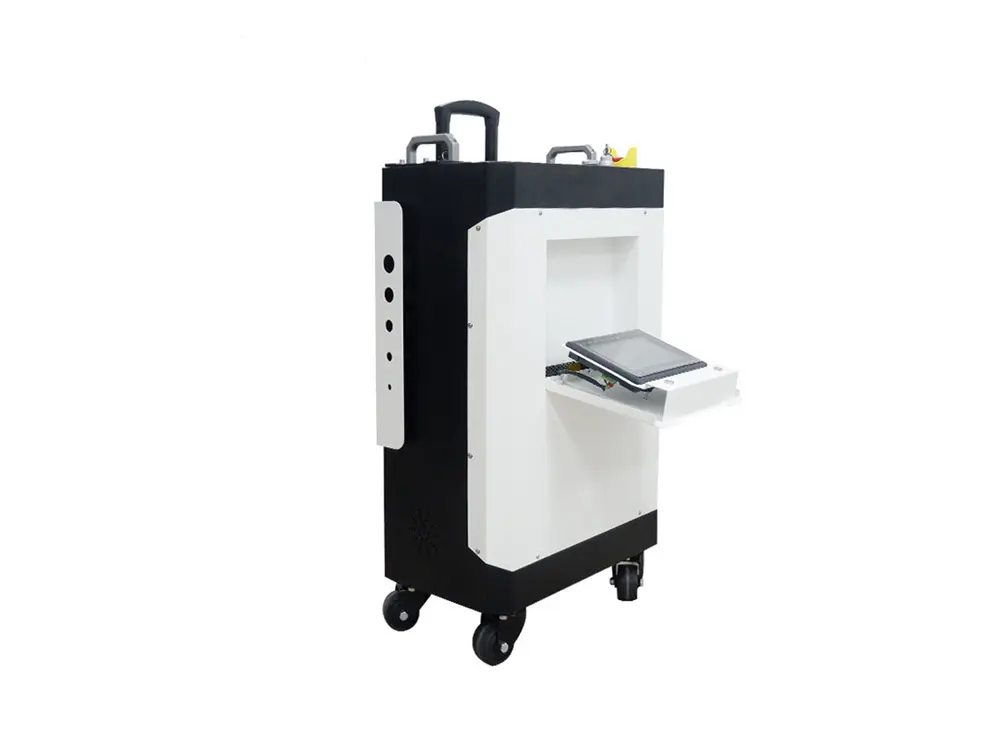
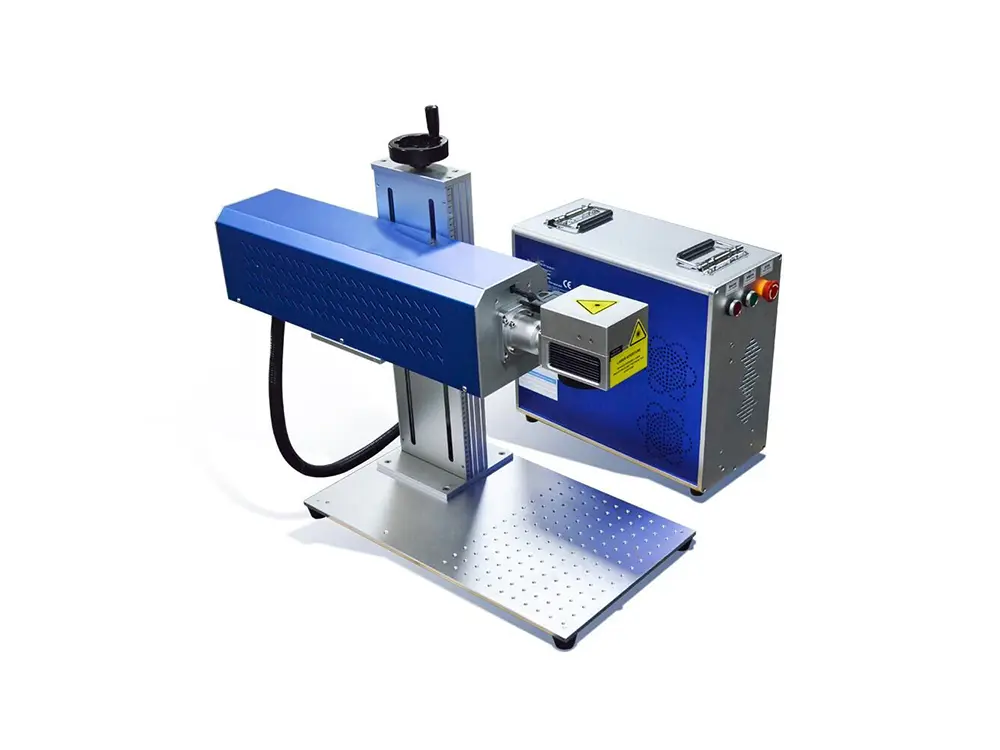











Laser cleaning technology is rapidly becoming a preferred solution for rust removal, paint stripping, surface preparation, mold cleaning, and general industrial maintenance. Compared with traditional cleaning methods such as sandblasting, chemical treatments, and manual grinding, laser cleaning offers higher precision, zero consumables, environmental friendliness, and excellent cleaning efficiency. As a result, more factories, workshops, and service companies are investing in laser cleaner machines to upgrade their productivity and achieve more consistent cleaning quality.
Many new buyers, especially those using laser equipment for the first time, often wonder whether training is required to operate a laser cleaner. The short answer is yes. Although a laser cleaner machine is designed to be user-friendly, proper training is still highly recommended to ensure operator safety, achieve the best cleaning results, and maintain long-term machine performance.
This article explains why training is necessary, what a standard training program includes, who needs it, and how long it typically takes to become a skilled laser cleaning operator. Whether you are planning to purchase a laser cleaner machine or looking to improve your factory’s cleaning process, this comprehensive guide will give you all the essential information you need.
Why Training Is Necessary for Operating a Laser Cleaner Machine
Laser cleaning may look simple, as the operator only needs to point the laser head toward the surface and press the trigger. However, behind this apparent simplicity are advanced optical systems, high-energy laser beams, adjustable cleaning parameters, and strict safety requirements. For these reasons, proper training is essential to ensure safe, efficient, and effective operation.
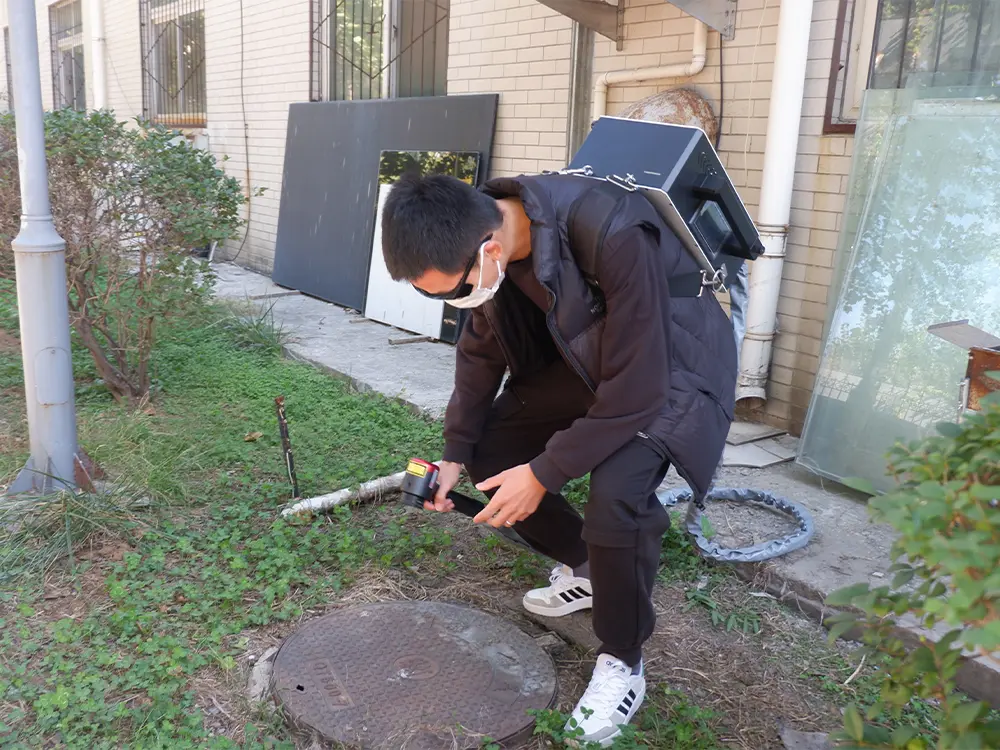
1. Safety Comes First
The laser cleaner machine emits high-energy beams capable of removing rust and paint within seconds. Without proper training, the operator may damage the surface or base material. Incorrect goggles can also cause eye injuries, and nearby staff may be harmed by reflected laser light. In addition, improper parameter settings can overheat sensitive workpieces or create other operational risks.
Laser cleaning machines, especially those with 1KW–3KW continuous laser cleaners, must be operated under strict safety protocols. Training ensures that every operator understands the required personal protective equipment, correct laser handling procedures, and proper emergency responses to maintain a safe and reliable working environment.
2. Mastering the Cleaning Parameters
A professional laser cleaner machine offers multiple adjustable settings, including power level, pulse width, frequency, scan width, cleaning mode, and focal distance. Each of these parameters plays an important role in determining cleaning strength, processing speed, and the final surface finish.
Through proper training, operators learn how to choose the right parameters for removing rust, paint, oil, coatings, and oxide layers on different materials. They also gain the skills needed to prevent burning or discoloration on metals such as aluminum, stainless steel, copper, and iron, as well as how to adjust settings for various contamination thicknesses and achieve the highest cleaning efficiency without damaging the substrate.
3. Ensuring High Cleaning Quality
Poor operation can lead to incomplete cleaning, uneven surface finish, slow cleaning speed, excessive energy consumption, and unnecessary wear on the laser cleaner machine. Training teaches operators how to use the correct cleaning angle, distance, and movement to achieve a consistent, high-quality cleaning effect.
4. Protecting the Machine and Extending Its Life
The laser cleaner machine is a long-term industrial investment, and proper training helps prevent issues such as overheating the laser source, misuse of lenses or optics, frequent collision of the cleaning head, incorrect use of the water chiller, and damage to scanning modules or cables. Understanding how to operate and maintain the equipment correctly significantly extends the machine’s lifespan and reduces overall repair costs.
Who Should Receive Training?
Training is essential for anyone who will operate a laser cleaner machine, regardless of experience level. Even users who are familiar with traditional cleaning equipment need proper instruction because laser cleaning technology involves different principles, safety requirements, and parameter settings.
Factory workers, maintenance technicians, production supervisors, and quality control personnel should all be trained if their work involves operating or overseeing the use of a laser cleaner machine. Proper training ensures that every person involved understands how to achieve consistent cleaning results and maintain safe working conditions.
In large workshops or service companies, it is also beneficial for team leaders or managers to receive training. Having trained personnel at different levels helps create standardized operating procedures and reduces the risk of errors during daily cleaning operations. This also ensures smoother workflow coordination and improves overall cleaning efficiency.
What Is Included in Laser Cleaner Machine Training?
The complete training program covers operation, safety, and maintenance. High-quality suppliers typically provide full training online and offline to ensure the user becomes fully confident with the equipment.
1. Understanding Machine Components
Training begins with a clear introduction to every major component of the laser cleaner machine. Understanding these parts helps operators use the machine correctly, troubleshoot basic issues, and maintain optimal cleaning performance.
Laser source: The laser source generates the high-energy beam used for cleaning. Its stability and power level determine cleaning speed, depth, and effectiveness.
Control panel: This is the interface where operators adjust parameters such as power, frequency, pulse width, and cleaning mode. Proper understanding ensures accurate and safe settings.
Laser cleaning head: The handheld laser cleaning head delivers the laser beam to the workpiece. Operators must learn correct handling techniques to maintain consistent cleaning quality.
Scanning lens: The scanning lens shapes and directs the laser beam onto the surface. Correct use prevents distortion, overheating, or uneven cleaning.
Fiber cable: The fiber cable transmits laser energy from the source to the cleaning head. Operators must avoid bending, pulling, or twisting it to protect internal fibers.
Water cooling /Air cooling: The cooling system keeps the laser source at a safe operating temperature. Operators must learn to monitor temperature and coolant flow or airflow to prevent overheating and ensure stable performance.
Protective accessories: Items such as laser safety goggles, protective gloves, and shielding play a crucial role in operator safety. Training teaches proper selection and usage.
By learning how each component functions and how they work together, operators gain the foundational knowledge needed for safe and effective laser cleaning.
2. Basic Operation Training
Basic operation training focuses on building the operator’s confidence and familiarity with the laser cleaning machine. Trainees learn the correct procedures for powering the machine on and off, setting appropriate work parameters, and selecting suitable cleaning modes for different tasks. Understanding how to locate the ideal focal point is also emphasized, as it directly affects cleaning efficiency and surface quality.
During this stage, operators practice adjusting laser power, frequency, and scanning settings based on material type and contamination level. They are trained to evaluate the cleaning result in real time and make quick parameter adjustments to optimize performance. The goal is to ensure operators can use the machine safely and effectively across diverse industrial cleaning scenarios.
3. Cleaning Technique Training
Cleaning technique training teaches operators the skills needed to achieve professional results. Trainees learn the importance of maintaining a stable hand, controlling scanning speed, and keeping a consistent distance from the work surface. They also understand how to manage overlap between passes and adjust cleaning angles to prevent uneven results or overheating.
This part of the training introduces different cleaning applications, such as rust removal, paint stripping, oil removal, oxide cleaning, weld preparation, and surface polishing. Operators practice adjusting their technique for each type of contamination and material, ensuring they can achieve clean, uniform results without damaging the substrate.
4. Safety Training
Safety training ensures that operators fully understand the protective measures required when using a laser cleaning machine. This includes using laser-rated protective goggles, wearing gloves, and ensuring proper ventilation for fumes produced during cleaning. Operators also learn how to establish safe working zones with signs and barriers to protect surrounding personnel.
Trainees are taught how to recognize potential hazards such as reflective surfaces, incorrect workplace setups, and inadequate ventilation. They also practice emergency stop procedures and understand how to respond to unexpected situations. By completing this training, operators learn to protect themselves and maintain a safe environment for everyone nearby.
5. Troubleshooting Training
Troubleshooting training equips operators with the ability to identify and resolve common machine issues. They learn the symptoms of problems such as no laser output, abnormal cleaning results, water chiller alarms, fiber cable warnings, and irregular beam shapes. Trainees practice performing quick inspections to determine whether the issue is related to parameters, connections, or machine components.
Operators also learn when a problem can be handled on-site and when professional technical support is required. This prevents unnecessary downtime and reduces risk of damage caused by improper handling. Effective troubleshooting skills help maintain cleaning efficiency and ensure consistent machine performance.
6. Routine Maintenance Training
Routine maintenance training teaches operators how to care for the machine to extend its lifespan. They learn how to inspect and clean the protective lens, check the water chiller’s temperature and coolant level, and maintain filters to ensure proper airflow. Protecting the fiber cable and inspecting connectors for looseness are also emphasized.
Operators are trained to perform regular inspections, document machine conditions, and store equipment properly when not in use. Consistent maintenance minimizes failures and ensures the laser cleaner remains stable and reliable during long-term industrial operation.
How Long Does Laser Cleaner Machine Training Take?

The duration of training depends on the user’s experience and machine model.
1. For Beginners
- Basic operation: 1–2 hours
- Safety training: 1 hour
- Practical cleaning training: 2–4 hours
Most users can operate a laser cleaner machine confidently within one working day.
2. For Experienced Operators
If the user already knows welding or laser equipment:
Parameter and technique training may take only 1–2 hours.
3. Advanced Technical Training
For maintenance engineers:
Training may require 1–2 days of in-depth study and practical exercises.
Types of Training Provided by Professional Laser Cleaner Machine Suppliers
Laser cleaner machine suppliers typically offer several forms of training to ensure operators use the equipment safely and efficiently. Online training is one of the most convenient options, usually including video tutorials, remote support, live demonstrations, and clear instructional materials. This format allows users to learn step by step and review lessons whenever needed.
On-site training is often provided for bulk buyers or industrial users. In this case, engineers visit the facility to perform machine installation, set up cleaning parameters, demonstrate practical cleaning techniques, and certify operators when necessary. This hands-on approach is ideal for large factories, workshops, or service companies that require high-precision cleaning results.
After-sales technical support is another key part of professional training services. Reliable manufacturers provide long-term help with parameter optimization, troubleshooting, spare parts, software updates, and training for new operators. This continued support ensures stable performance and helps users maximize the lifespan and value of their laser cleaner machine.
Training Requirements for Each Laser Cleaner Type
1. Pulsed Laser Cleaner Machines (100W–500W)
Pulsed laser cleaner machines are the easiest to operate and generally require only basic training. Their lower power levels make them safer for beginners and less likely to damage delicate surfaces. Operators mainly need to learn how to select appropriate parameters, maintain a stable cleaning distance, and handle the machine safely. Pulsed machines are commonly used for light rust removal, paint stripping, and cleaning sensitive materials.
2. Continuous Laser Cleaner Machines (1000W–3000W)
Continuous laser cleaner machines operate at much higher power levels, providing faster and deeper cleaning performance. Because of the increased energy output, they require more detailed training to ensure safe operation and to prevent overheating, surface burning, or reflective hazards. Operators need to understand advanced settings, thermal effects, and proper cooling management. CW models are ideal for heavy rust, thick coatings, and demanding industrial applications.
3. Multifunctional Laser Welding/Cleaning/Cutting Machines
Multifunctional laser systems require the highest level of training because they combine welding, cleaning, and cutting capabilities in one unit. Operators must learn how to switch between functions, use different nozzles, and adjust parameters for each process. Mastery of safety procedures, material compatibility, and real-time adjustments is essential. With proper training, these versatile machines become powerful tools for factories that need multiple laser processes in a single solution.
Conclusion
Training is an essential part of operating any laser cleaner machine, whether it is a compact pulsed unit or a high-power continuous laser machine. Proper instruction ensures operator safety, delivers better cleaning performance, reduces machine wear, and maximizes long-term value. With the right training, even first-time users can confidently handle rust removal, paint stripping, oxide cleaning, and other industrial surface preparation tasks with precision and efficiency.
As laser cleaning technology continues to evolve, choosing a trusted supplier becomes just as important as selecting the right machine. Wintek Laser provides comprehensive training programs including online learning, on-site instruction, and long-term technical support to ensure every customer can operate their laser cleaner machine safely and effectively. Our machines are designed to be user-friendly, durable, and powerful, helping businesses around the world upgrade their cleaning process and improve production quality.
Whether you are new to laser cleaning or expanding your industrial capability, Wintek Laser is committed to offering reliable equipment, expert guidance, and lifetime support. With the right knowledge and a high-quality machine, your team can achieve faster cleaning, better surface results, and enhanced productivity across all applications.
Wintek Laser – your trusted partner for professional laser cleaner machines.